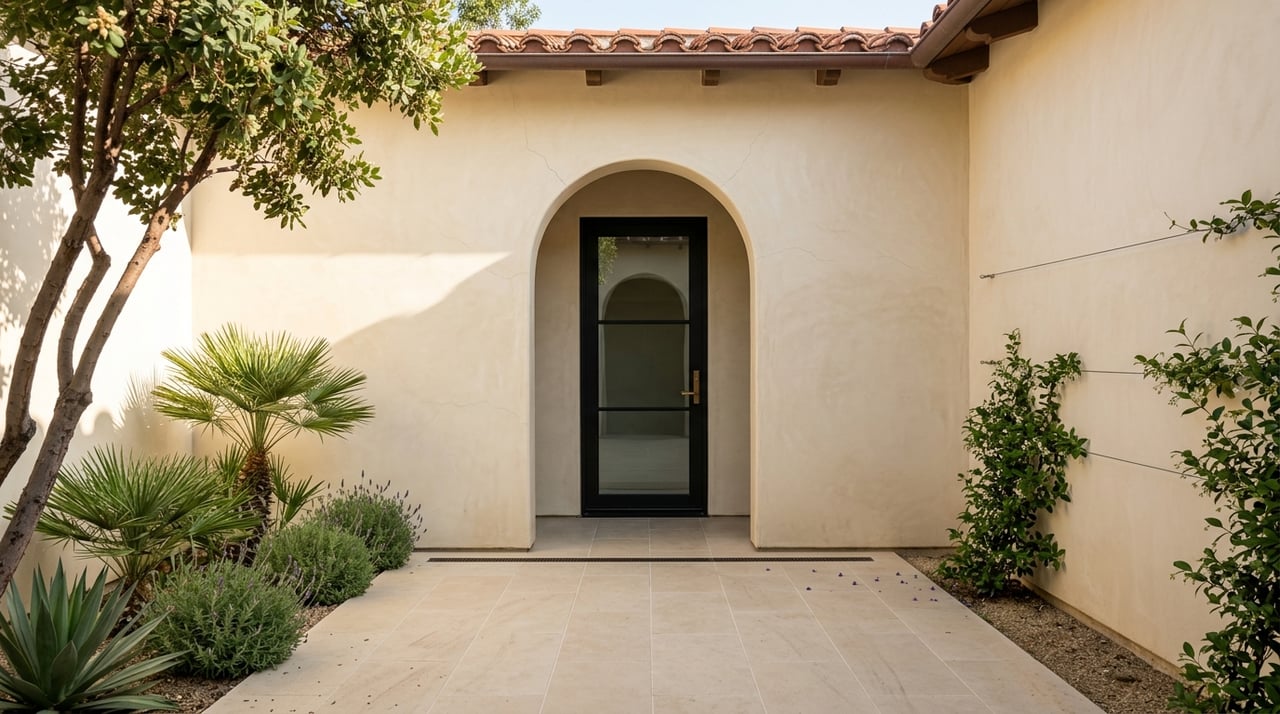
Selling a home you have owned for decades is rarely just about putting a sign in the yard. In San Marino, it often means sorting through years of belongings, reviewing past repairs and updates, and making sure the paperwork matches the home’s history. If you are starting to think about this kind of move, a thoughtful plan can reduce stress, prevent last-minute surprises, and help you move forward with more confidence. Let’s dive in.
Why long-held San Marino homes need more planning
A long-held home sale usually involves three tracks at once: preparing the property, preparing disclosures, and preparing your next move. Those tracks can overlap quickly, especially if you are also downsizing or helping a family member through the process.
National Association of Realtors consumer guidance notes that the typical home seller has lived in the home for 10 years before selling. For many San Marino owners, that timeline can be much longer, which often means more updates, more belongings, and more decisions to make before the home is truly ready for market.
In California, seller disclosures are a major part of the process. The Transfer Disclosure Statement is meant to describe the property’s condition, not serve as a warranty, and the seller’s agent is also required to visually inspect the property and disclose readily observable defects. That is one reason it helps to start early instead of waiting until you are ready to list.
Start with the move, not the market date
One of the most helpful ways to reduce pressure is to begin with your move plan before you choose a listing date. If you wait until the home is nearly on the market to sort, pack, and make decisions, everything tends to pile up at once.
A room-by-room approach can make the process feel more manageable. You can decide what to keep, what to donate, what to move off-site, and what should stay in place for showings. NAR seller guidance recommends paring down clutter and packing least-used items before the home goes on the market.
For many long-term owners, this early stage is also the right time to think about practical support. Decluttering help, packing coordination, and moving referrals can make a major difference when the home has many years of history behind it.
A practical timeline before listing
Six to twelve months out
This is the planning window. Focus on the move decision, the scope of sorting, and the likely timeline for your next chapter. If the sale involves downsizing, a family transition, or an estate-related move, giving yourself extra runway can make the entire process calmer.
Use this stage to begin a light pre-packing plan. Start with storage areas, guest rooms, older files, and items you know you will not need before the move. The goal is not to rush, but to avoid a last-minute scramble.
Three to six months out
This is often the right time to schedule a pre-listing inspection and vendor walk-throughs. NAR notes that a pre-sale inspection is optional, but it can identify issues in systems such as the roof, plumbing, electrical, HVAC, and insulation before buyers see the home.
Even if you do not plan to complete every repair, estimates for major items are useful. They can help you decide what to fix, what to leave as-is, and what to disclose clearly from the start.
One to two months out
Once you have more clarity on condition and costs, you can decide which items will be repaired, credited, or disclosed as-is. Then the focus shifts to presentation: deep cleaning, simple staging, and curb appeal.
NAR guidance recommends decluttering, cleaning, and improving curb appeal before listing. Its 2025 staging report also found that 29% of agents saw a 1% to 10% price increase from staging, and 49% saw faster sales. That helps explain why presentation deserves its own planning window instead of being treated as an afterthought.
Repair decisions before you list
Older homes often raise a common question: what is worth fixing before the home goes on the market? In many cases, the better question is what needs to be understood, documented, and addressed strategically.
A pre-listing inspection can help you identify issues before a buyer does. That can give you more control over timing, vendor selection, and the conversation around repairs or credits.
In California, listing a home as-is does not remove the need for disclosures, and it does not prevent buyers from conducting inspections. It simply means the seller is not making guarantees about condition or agreeing in advance to make repairs.
Common checkpoints to review
- Roof, plumbing, electrical, and HVAC condition
- Evidence of deferred maintenance
- Room additions or structural modifications
- Repairs that may have required permits
- Water heater bracing, anchoring, or strapping
- Pest inspection needs if required by a contract or lender
These checkpoints matter because they often shape both buyer expectations and the disclosure package. Handling them early can help you avoid delays later in escrow.
Disclosures matter more than many sellers expect
For long-held homes, disclosures are often one of the most important parts of sale preparation. If updates were made over many years, you may need time to gather records, clarify dates, and identify what is known versus what is uncertain.
California law requires the Transfer Disclosure Statement in most single-family residential sales. The form itself states that it is not a substitute for inspections, which means buyers may still investigate the property’s condition even after disclosures are delivered.
NAR consumer guidance also notes that material defects are often disclosed before the buyer signs a binding contract, and that uncertain issues are generally better disclosed than held back. In practice, that means it is usually wise to start the disclosure conversation earlier rather than later.
Additional disclosure items to remember
- Natural hazard disclosures may apply if the property is in mapped fault, flood, or fire-hazard areas
- If the home was built before 1978, federal law requires lead-based paint disclosures, any available records or reports, the lead pamphlet, and a 10-day opportunity for the buyer to inspect or assess for lead hazards unless changed by written agreement
- If work was completed without necessary permits, that should be addressed early in the disclosure process
This part of the process can feel paperwork-heavy, but it is often where early preparation pays off most.
San Marino permit and preservation issues
San Marino adds an important local layer for older homes. The city has a historic preservation ordinance, and designated structures can require preservation design review. The Los Angeles Conservancy also notes that the city expects a historic resource assessment with new construction, including additions, for properties with structures that are 50 years old or older.
That does not mean every seller needs to take action before listing. It does mean that if your home has a long history of additions, alterations, or exterior changes, early review can be useful.
San Marino’s building division handles permit records and inspections, and permit requests are public records. A pre-listing permit-history check can help confirm whether past work was permitted and whether there are gaps in the file that should be understood before buyers start asking questions.
Why this matters in a long-held sale
Older homes often have improvements completed across many ownership years and contractor relationships. Some work may be fully documented, some may be partially documented, and some may simply be hard to trace.
If you uncover questions about additions, structural modifications, or repairs that may have needed permits, it is usually better to address those questions before marketing begins. That gives you more time to verify records and decide how the information should be presented.
Why staging and decluttering deserve their own phase
In a long-held home, preparation is not only about condition. It is also about helping buyers see the space clearly.
NAR’s seller guidance specifically recommends decluttering, cleaning, staging, and improving curb appeal. It also reports that staging is most often concentrated in the living room, primary bedroom, dining room, and kitchen, which can help you focus effort where it may have the most impact.
For many San Marino sellers, this does not mean stripping the home of personality. It means editing, simplifying, and creating a calm presentation that lets the architecture, light, and layout stand out.
Build a move-out plan around escrow
One of the easiest ways to create stress is to line up your move-out date too tightly with the listing date. Buyer inspections and negotiations can still surface requests during escrow, so it helps to leave some breathing room.
A better approach is to build the move-out plan around the contract timeline, not the other way around. That buffer can give you more flexibility if repairs, inspections, or logistics take longer than expected.
If your ideal move date and market-ready date do not line up, a coming soon phase may sometimes offer a softer launch, as long as it complies with California law, MLS rules, and NAR policy. The right approach depends on timing, property condition, and how much preparation is still underway.
A calm way to approach the process
If you are planning the sale of a long-held home in San Marino, the goal is usually not to move fast at all costs. It is to start early, sort calmly, verify the paperwork, and let the move, repairs, disclosures, and listing date support one another.
That kind of planning can protect your time, reduce avoidable surprises, and make a major life transition feel more manageable. When the sale involves decades of ownership, a measured process is often the smartest one.
If you want thoughtful guidance for a long-held home sale in San Marino, JOELLE CONZONIRE GROSSI offers a calm, hands-on approach with support for decluttering, packing, moving coordination, trusted vendor referrals, and the details that help a complex sale feel more organized.
FAQs
What should San Marino sellers do first when planning the sale of a long-held home?
- Start with the move plan, sorting process, and likely timeline before choosing a listing date. This usually makes the rest of the sale easier to manage.
Do San Marino homes need a pre-listing inspection before going on the market?
- A pre-listing inspection is optional, but it can help identify issues in major systems before buyers see the home and give you more control over repair decisions.
What disclosures matter when selling a long-held home in California?
- Most single-family residential sales require a Transfer Disclosure Statement, and some properties also need natural hazard disclosures, lead-based paint disclosures for pre-1978 homes, and discussion of permit or condition issues.
Why do permit records matter when selling an older home in San Marino?
- Permit records can help confirm whether past additions, alterations, or repairs were properly documented, which is especially useful for homes with a long history of updates.
Can a San Marino seller list a long-held home as-is?
- Yes, but as-is does not remove disclosure obligations or prevent buyer inspections. Sellers still need to follow California disclosure law.
How far in advance should you start preparing a long-held home for sale in San Marino?
- Many sellers benefit from starting six to twelve months ahead, especially if the home needs sorting, inspections, vendor work, or permit-history review.