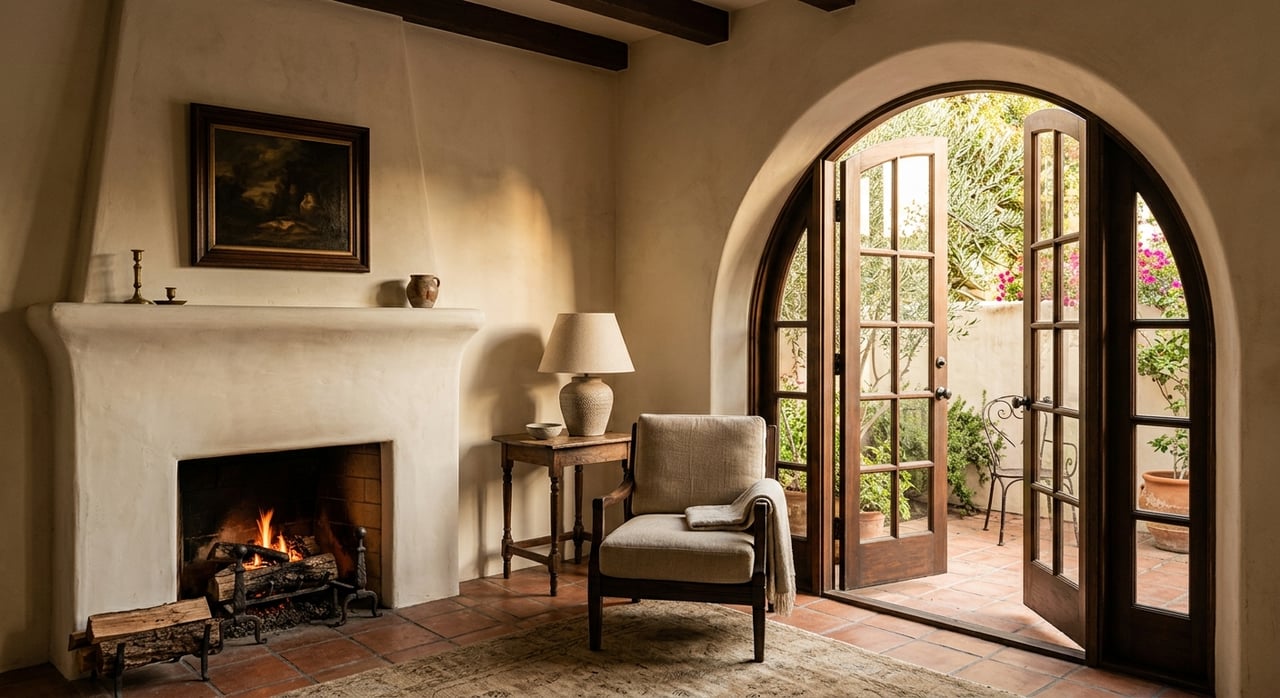
If you are thinking about downsizing in Pasadena, a historic home can feel like the perfect middle ground between letting go of space and holding on to character. But charm alone is not a strategy, especially when you want your next home to be simpler, easier, and better suited to the years ahead. This guide will help you weigh the real pros, costs, and practical questions so you can decide whether a historic Pasadena home fits your downsizing goals. Let’s dive in.
Why historic homes stand out in Pasadena
Pasadena has an unusually deep historic housing story. The city has protected historic resources since 1969, includes more than 200 individually designated historic sites, and has 26 historic neighborhoods. It is also widely recognized as a center of architecture in Southern California.
That local context matters if you are downsizing here. Pasadena’s 2021 to 2029 Housing Element says about 75 percent of the city’s housing stock was built before 1970, with homes spanning more than 125 years of architectural styles. In other words, historic and character homes are not a niche category here. They are part of the city’s everyday fabric.
Why downsizers consider historic homes
For many downsizers, the appeal is simple. You may want less square footage without giving up beauty, identity, or a sense of place. A well-chosen historic home can offer that balance.
Pasadena also has smaller historic housing types that may suit this stage of life. The city is generally considered the birthplace of the bungalow court, a housing form with small homes arranged around a shared courtyard. That can offer the architectural character many buyers love in a more compact footprint.
Character without feeling generic
If you are moving from a long-held family home, a standard replacement property may feel flat or interchangeable. Historic homes often offer original details, mature settings, and a stronger connection to Pasadena’s built history. That can make a smaller home feel more meaningful.
Pasadena’s preservation approach is designed to retain a building’s historic form, features, and materials while still allowing contemporary use. So the right property may feel distinctive and livable at the same time.
Walkability in some locations
Location can make a historic home especially attractive for downsizers. Old Pasadena, the city’s original business district, is described by the city as pedestrian-friendly and served by two Gold Line rail stops. If your goal is to drive less and enjoy more daily convenience, certain historic-home locations can support that lifestyle.
Of course, walkability depends on the specific property. But for downsizers who want easier access to shops, dining, and transit, this can be part of the appeal.
Possible property-tax relief
Some historic homeowners in Pasadena may benefit from the Mills Act program. This is a local historic property contract program under state law. Qualifying owners agree to rehabilitate, restore, and maintain the property under established preservation standards, and the benefit may include a property-tax reduction.
That does not make a historic home inexpensive to own. Still, for the right buyer, this program can help offset some ongoing costs if the property qualifies and the long-term obligations feel manageable.
The trade-offs you should take seriously
A historic home can be rewarding, but it is rarely the lowest-friction ownership choice. If your main reason for downsizing is to simplify life, this is the part to examine closely.
Older homes often come with older-home issues. Pasadena’s Housing Element notes that aging homes may need roof work, painting, landscaping, exterior-finish repairs, and plumbing, electrical, heating, or other system upgrades. Maintenance and repair are often part of the package.
Maintenance is usually the biggest factor
If you are leaving a larger home because upkeep has become tiring, a smaller historic home is not automatically easier. Less square footage can reduce some burdens, but older materials and systems can still require regular attention. The question is not just size. It is how much hands-on ownership you want.
This is where many downsizers need to be honest with themselves. If you enjoy stewardship and care about preserving original character, the trade-off may feel worthwhile. If you want a more lock-and-leave lifestyle, it may not.
Renovation flexibility may be limited
Pasadena uses a design-review process for landmarks and landmark districts. The city evaluates Certificate of Appropriateness applications using its historic-district guidelines, which are based on the Secretary of the Interior’s Standards. If a property is more than 45 years old and you propose a major project, the city may also require a Historic Resources Evaluation.
That can affect exterior changes and the scope of remodeling. It does not mean you cannot improve the home. It does mean the process may be more structured than it would be for a non-historic property.
Seismic planning matters
In Pasadena, earthquake resilience should be part of your evaluation. Guidance on historic buildings notes that seismic rehabilitation often involves strengthening work and recommends early coordination with the local building code official about retrofit approaches and code-compliance alternatives.
For a downsizer, that means asking early whether the home has been retrofitted, what may still be needed, and how that fits your budget and comfort level. This is not just a technical issue. It is part of long-term peace of mind.
Older-home hazards need attention
Many Pasadena homes were built before 1978, which means lead-based paint can be a concern. Federal law requires sellers of most pre-1978 housing to disclose known lead information before contract, and disturbed paint or renovation can create hazardous lead dust. Older pipes and fixtures can also be a source of lead in drinking water.
These are manageable issues when handled properly, but they should be part of your due diligence. A historic home should feel special, not full of surprises after closing.
Accessibility can be a deciding issue
If you are downsizing for the next chapter, accessibility deserves serious thought. Pasadena’s Housing Element notes that much of the city’s housing stock was built before ADA-era requirements and may not be as accessible as newer homes. The city also points to features like zero-step entries, wider doorways, and other universal-design improvements where feasible.
This is one of the most important questions to ask. A home can be beautiful and still be the wrong fit if stairs, narrow openings, or entry steps make daily life harder over time.
How historic homes compare to condos and newer homes
Your decision is not just historic home versus non-historic home. In many cases, it is historic single-family home versus condo, townhouse, or newer low-maintenance property.
Recent Pasadena market data helps frame that choice. Redfin reports that over the last three months, homes in Pasadena sold for a median of about $1.2 million and took about 32 days to sell. On Redfin’s Pasadena city guide, the median sale price is about $1,704,134 for single-family homes, about $828,186 for condo and co-op homes, and about $860,169 for townhouses.
That price gap is meaningful. A historic single-family home may give you more privacy, more outdoor space, and more architectural character. But it usually comes with a much higher purchase price than many attached options, along with a greater likelihood of maintenance and upgrade needs.
For some downsizers, that trade-off is worth it. For others, a condo or newer home may better match goals like simplicity, accessibility, and fewer renovation constraints.
Questions to ask before you choose one
If you are seriously considering a historic home in Pasadena, these questions can help clarify whether it is the right fit.
What kind of designation does the property have?
Ask whether the home is a local landmark, in a landmark district, or only in a National Register district. That distinction affects how much exterior work may be subject to local review. National Register listing alone does not automatically trigger local alteration review if the property lacks local protection.
Is there a Mills Act contract?
Find out whether the property already has a Mills Act contract or could qualify for one. A tax benefit may be helpful, but it comes with long-term maintenance commitments. You want to understand both sides of that equation before you rely on the savings.
What maintenance is already visible?
Look carefully at the roof, paint, exterior finishes, landscaping, and core systems like plumbing, electrical, and heating. In older Pasadena homes, these are common pressure points. Deferred maintenance can quickly change the economics of a downsizing plan.
Does the floor plan support aging in place?
Pay attention to stairs, bathroom layout, doorway widths, and the path from parking to the front door. A charming house can still be difficult to live in comfortably. If you want your next move to last, function matters as much as style.
When a historic Pasadena home is a strong fit
A historic home may be a smart downsizing choice if you value architecture, neighborhood identity, and a more personal sense of place. It can also make sense if you are comfortable with periodic maintenance and do not mind a more involved permit or review process.
This path often works best when you are downsizing in size, not necessarily in engagement. You still want to care for a home, just one that feels more intentional, manageable, and connected to Pasadena’s character.
When another option may serve you better
If your top priority is ease, predictability, and as little upkeep as possible, a condo, townhouse, or newer home may be the better fit. The lower purchase price of many attached homes in Pasadena can also preserve flexibility for travel, retirement planning, or future care needs.
There is no one right answer. The best downsizing move is the one that supports how you want to live, not just what looks appealing on paper.
Choosing your next home in Pasadena often means balancing emotion and practicality. If you want help sorting through those trade-offs, from timing a sale to finding a better-sized replacement home, JOELLE CONZONIRE GROSSI offers the kind of thoughtful, hands-on guidance that can make a major transition feel much more manageable.
FAQs
Should Pasadena downsizers choose a historic home for lower maintenance?
- Usually not by default. A smaller historic home may reduce square footage, but older Pasadena homes often still need ongoing repairs, system updates, and exterior upkeep.
Do Pasadena historic homes come with remodeling restrictions?
- They can. If a property is a local landmark or in a landmark district, Pasadena may review proposed exterior changes through its historic-preservation process.
Are Pasadena historic homes more expensive than condos?
- Often yes. Current Pasadena market data shows a much higher median sale price for single-family homes than for condo and co-op homes or townhouses.
Can a Pasadena historic home work for aging in place?
- Sometimes, but you need to look closely at accessibility. Many older homes were built before modern accessibility expectations, so features like zero-step entries and wider openings may be limited.
What should downsizers check before buying a historic home in Pasadena?
- Start with the property’s historic designation, visible deferred maintenance, possible lead-related concerns in older homes, seismic retrofit status, and whether the floor plan fits your long-term needs.


